Scientists at the University of Pennsylvania lead by Dr George
Costarelis believe they may have found the reason why we go bald. Dr
Costarelis and his dermatological team have discovered the enzyme
Prostaglandin D2 (PGD2) that is responsible for preventing hair
follicles from maturing. The link between genetics and baldness has long
been common knowledge but the cause has not.
When the team analysed the scalps of balding men, they found levels
of PDG2 to be three times higher in areas in which the hair was
thinning. The research suggests that PGD2 prevents the follicle cells
from maturing, so blocking PGD2 would allow the hair to grow again. Dr
Costarelis found that bald men have cells capable of making hair, which
adds weight to the argument that PGD2 is responsible for stopping
otherwise healthy, capable cells of producing hair.
Back in March 2012 the journal Science Translational Medicine
reported that in tests on mice the compound PGD2 stunted hair growth.
Drugs that block this protein are already on the market as they are used
to treat asthma and allergies, and that is good news according to Dr
Costarelis: “The nice thing about dermatology and hair loss in general
is that you can take compounds that maybe are being used as a pill, and
put them into a topical formulation.”
Dr Costarelis went on to add: “We certainly think it would be good at
preventing hair loss but we don’t know for sure that it would regrow”.
Dr Costarelis has also announced this week that he is in talks with
several pharmaceutical companies about developing a treatment that he
says: “could be available in two years”.
Lab tests suggest the treatment may also help women who are losing
their hair. Female hair loss carries an even greater stigma than the
male condition, but is not as uncommon as many people believe. About 40
per cent of women suffer from some form of hair loss as a result of
hormone changes during menopause.
For men this number is significantly higher, by the age of 50 nearly
half of all men have some degree of male pattern baldness, a number
which rockets to 70 per cent by the age of 70. It also seems that being
famous or even royal doesn’t protect you from baldness. As we reported
back in July 2012 Wayne Rooney and Louis Walsh have both undergone hair
transplant procedures and in the news today Doctor Asim Shahmalak has
predicted Prince William will be bald by the time he is 40.
While celebrities have undergone hair transplant procedures, these
remain out of reach for most people due to their high price. In the
meantime before this PGD2 blocker is released onto the market, there are
licensed products on the market such as Propecia (Finasteride) and
Regaine (Minoxidil) that have both been clinically proven to help with
male hair loss.
Friday, 31 January 2014
Revealed: the everyday pills that could cause you to suffer hair loss!
The reasons behind hair loss can be many and varied. They range from
genetic predispositions to hair loss, hormones, nutrition, physical
activity, chemicals and stress. However, now according to a report by
scientists at the University of Melbourne, drugs for blood pressure,
acne, depression and even common painkillers can contribute towards hair
loss. On top of this they claim other drugs can turn a brunette into a
redhead, or make straight hair curly.
Many medications can result in premature hair loss and most of them list it as a side effect. Chemotherapy is the most obvious medical treatment that causes temporary premature hair loss, but others, such as antidepressants and those used for mood disorders and seizures can also affect hair growth.
Professor Sam Shuster, Emeritus Professor of Dermatology at Newcastle University said, “The cause of hair loss or change is often unknown, but you must always consider the effects of drugs, when drugs do affect the hair.”
In many cases, medications are thought to affect hair by interfering with its growth cycle, which has three distinct stages. In the growing period which lasts between three and five years on the scalp, hair grows by around 1cm a month. That’s followed by a shorter two week stage, known as the intermediate phase, where the hair follicle is prepared for releasing the hair.
In the final three month phase the telogen phase or resting phase, the hair stops growing and eventually falls out. After three months, the follicle starts to grow a new hair. Fortunately this happens randomly all over the scalp, if it didn’t, the hair would be shed in clumps.
Some drugs used for epilepsy and other disorders such as migraines have been linked to hair loss and they may even make hair curly.One of the drugs, sodium valproate, has been reported in various studies to cause hair loss in between 3 and 10 per cent of patients. In one of the latest studies, which involved more than 200 patients at Razi Hospital in Iran, 3.5 per cent of patients given sodium valproate experienced hair loss or curling. Another study found hair loss in 7 per cent of patients receiving divalproex, a combination of sodium valproate and valproic acid.
These drugs can trigger hair to fall out prematurely in the resting phase of the hair growth cycle. This normally lasts three months, with the hair naturally shedding at the end of this time, but for some reason antidepressants seem to make hair fall out at the beginning of this phase instead. Fluoxetine better known as Prozac is the most commonly reported antidepressant to cause hair loss.
Increased hair loss occurs up to one year after the start of medication and stops when therapy ends. Tricyclic antidepressants, which include imipramine, amitriptyline and doxepin, may occasionally cause hair loss, found the Australian study, which is due to be published in the journal Dermatologic Clinics. However, according to Professor Shuster, “Patients with this problem should not panic; this type of hair loss is reversible.”
Hair loss has been reported among women who stop taking the Pill after long term use. One theory is that this is because some oral contraceptives, particularly progesterone based pills, contain compounds called anti-androgens. These lower levels of testosterone and thus lower the risk of hair loss in women, who may be susceptible. But when these women stop taking the Pill, the protection ends.
When asked, leading UK Trichologist David Bailey said, “Women with hair loss who wish to take the pill, should try Dianette as it contains an anti-androgen which can stop this. If they do not wish to take the pill, spironolactone is often prescribed. Women who are already on Dianette should be careful if they wish to come off it. They could switch to Marvelon or Yasmin, or spironolactone it they do not wish to take a hormone based therapy. Either way, they should really discuss it with someone who knows all about hair and these types of treatments.
High blood pressure drugs have also been linked to hair thinning. The Melbourne researchers say two particular beta blockers, metoprolol and propranolol; have been shown to lead to reversible hair loss. Another group of drugs used for blood pressure, angiotensin converting enzyme inhibitors, may also be associated with hair loss. The drugs seem to cause the hair to shed prematurely in the resting phase.
Small studies have linked painkillers to hair loss. A recent report from the New Zealand government described hair loss as a possible complication, affecting less than one in 100 users. A small U.S. study based on a sample of 21 people using ibuprofen found that 15 patients reported thinning or loss of hair. Once the medication is discontinued, hair loss reduces over eight to nine months.
However, Professor Shuster cautions that, “Patients should never stop taking the drugs without consulting their GP. They can be switched to other drugs, if appropriate, or the dose can be reduced. In other cases, patients can be reassured the effects are unlikely to be permanent.”
Professor Shuster said, “When drugs do affect the hair, the change is usually mild and reverses when the drug is stopped. So you may want to tolerate the change, because of the important effect the drug is having in restoring your health.”
So it seems that many everyday pills we take can contribute in some small way to hair loss, however as has already been stated the benefits these drugs offer us often far outweigh the possible side effects. Prescribed medicines should never be stopped without first consulting your GP. Also worth bearing in mind is that the side effects can often be temporary and reversible.
However there are effective treatments available to treat female hair loss such as Dianette, spironolactone, or even Regain lotion for women, and Regaine (minoxidil) foam and lotion and Propecia (finasteride) both of which are clinically proven to treat male hair loss. These can be obtained from Medical Specialists Pharmacy, after an online consultation with one of our doctors.
Many medications can result in premature hair loss and most of them list it as a side effect. Chemotherapy is the most obvious medical treatment that causes temporary premature hair loss, but others, such as antidepressants and those used for mood disorders and seizures can also affect hair growth.
Professor Sam Shuster, Emeritus Professor of Dermatology at Newcastle University said, “The cause of hair loss or change is often unknown, but you must always consider the effects of drugs, when drugs do affect the hair.”
In many cases, medications are thought to affect hair by interfering with its growth cycle, which has three distinct stages. In the growing period which lasts between three and five years on the scalp, hair grows by around 1cm a month. That’s followed by a shorter two week stage, known as the intermediate phase, where the hair follicle is prepared for releasing the hair.
In the final three month phase the telogen phase or resting phase, the hair stops growing and eventually falls out. After three months, the follicle starts to grow a new hair. Fortunately this happens randomly all over the scalp, if it didn’t, the hair would be shed in clumps.
Some drugs used for epilepsy and other disorders such as migraines have been linked to hair loss and they may even make hair curly.One of the drugs, sodium valproate, has been reported in various studies to cause hair loss in between 3 and 10 per cent of patients. In one of the latest studies, which involved more than 200 patients at Razi Hospital in Iran, 3.5 per cent of patients given sodium valproate experienced hair loss or curling. Another study found hair loss in 7 per cent of patients receiving divalproex, a combination of sodium valproate and valproic acid.
These drugs can trigger hair to fall out prematurely in the resting phase of the hair growth cycle. This normally lasts three months, with the hair naturally shedding at the end of this time, but for some reason antidepressants seem to make hair fall out at the beginning of this phase instead. Fluoxetine better known as Prozac is the most commonly reported antidepressant to cause hair loss.
Increased hair loss occurs up to one year after the start of medication and stops when therapy ends. Tricyclic antidepressants, which include imipramine, amitriptyline and doxepin, may occasionally cause hair loss, found the Australian study, which is due to be published in the journal Dermatologic Clinics. However, according to Professor Shuster, “Patients with this problem should not panic; this type of hair loss is reversible.”
Hair loss has been reported among women who stop taking the Pill after long term use. One theory is that this is because some oral contraceptives, particularly progesterone based pills, contain compounds called anti-androgens. These lower levels of testosterone and thus lower the risk of hair loss in women, who may be susceptible. But when these women stop taking the Pill, the protection ends.
When asked, leading UK Trichologist David Bailey said, “Women with hair loss who wish to take the pill, should try Dianette as it contains an anti-androgen which can stop this. If they do not wish to take the pill, spironolactone is often prescribed. Women who are already on Dianette should be careful if they wish to come off it. They could switch to Marvelon or Yasmin, or spironolactone it they do not wish to take a hormone based therapy. Either way, they should really discuss it with someone who knows all about hair and these types of treatments.
High blood pressure drugs have also been linked to hair thinning. The Melbourne researchers say two particular beta blockers, metoprolol and propranolol; have been shown to lead to reversible hair loss. Another group of drugs used for blood pressure, angiotensin converting enzyme inhibitors, may also be associated with hair loss. The drugs seem to cause the hair to shed prematurely in the resting phase.
Small studies have linked painkillers to hair loss. A recent report from the New Zealand government described hair loss as a possible complication, affecting less than one in 100 users. A small U.S. study based on a sample of 21 people using ibuprofen found that 15 patients reported thinning or loss of hair. Once the medication is discontinued, hair loss reduces over eight to nine months.
However, Professor Shuster cautions that, “Patients should never stop taking the drugs without consulting their GP. They can be switched to other drugs, if appropriate, or the dose can be reduced. In other cases, patients can be reassured the effects are unlikely to be permanent.”
Professor Shuster said, “When drugs do affect the hair, the change is usually mild and reverses when the drug is stopped. So you may want to tolerate the change, because of the important effect the drug is having in restoring your health.”
So it seems that many everyday pills we take can contribute in some small way to hair loss, however as has already been stated the benefits these drugs offer us often far outweigh the possible side effects. Prescribed medicines should never be stopped without first consulting your GP. Also worth bearing in mind is that the side effects can often be temporary and reversible.
However there are effective treatments available to treat female hair loss such as Dianette, spironolactone, or even Regain lotion for women, and Regaine (minoxidil) foam and lotion and Propecia (finasteride) both of which are clinically proven to treat male hair loss. These can be obtained from Medical Specialists Pharmacy, after an online consultation with one of our doctors.
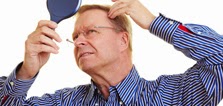
The common causes of hair loss explained
Hair loss can be a deeply distressing experience for many people and
the cause of a huge loss of self-esteem, even resulting in depression
and severely impacting a person’s social life.
Although primarily attributed to men, hair loss can happen to both men and women. Many do not realise, but there are actually around 8 million women in the UK alone who are suffering with some degree as hair loss.
Even celebrities are prone to suffering with hair loss, with Manchester United footballer Wayne Rooney forking out thousands of pounds on multiple hair transplants in the last two years in a rather costly and apparently futile bid to fight his thinning hair.
Medical Specialists Pharmacy have previously looked at some of the best foods for healthy hair, but what a large number of our patients want to know is why they have lost hair in the first place.
Obviously there is a familial aspect when considering causes of hair loss as baldness tends to be hereditary. Looking at parents, grandparents, etc. can usually give you a good idea regarding your chances of keeping hold of a strong and healthy head of hair. You only have to look at Prince William, his father Prince Charles, and Prince William’s grandfather Prince Philip to see how genetics plays its part in hair loss.
In many cases, there are numerous ways to treat male hair loss and female hair loss such as Propecia (for men), Dianette (for women) and Regaine (for men and women), just to name a few.
However, here Medical Specialists list some of the common causes of hair loss:
. Male pattern baldness (MPB)
So common that many would barely bat an eyelid upon seeing a male who is experiencing MPB. By the age of 60, two thirds of men will have experienced hair loss which is typified by the hair receding at the temples and leaving behind an ‘M’-shaped hairline. Fortunately, topical treatments such as Minoxidil (Regaine) and oral medications such as Finasteride (Propecia) can halt the process and even regrow hair in some cases.
. Physical stress
Physical trauma such as surgery, a car accident or severe illness can cause temporary hair loss. This type of hair loss is known as telogen effluvium and usually involves widespread thinning of the hair on the scalp rather than bald patches. The hair may feel thinner than before but then begin to grow back properly within around six months.
. Polycystic ovary syndrome (PCOS)
PCOS is a common condition affecting millions of women in the UK and alters the way in which a woman’s ovaries function. The three main features are having high levels of ‘androgens’ (male hormones), ovaries that do not regularly ovulate (release eggs), and cysts that develop within the ovaries. Just two of these lead to a diagnosis of PCOS. Whilst PCOS can cause facial hair growth, it may also result in thinning hair and hair loss. Many cases of PCOS are treated through birth control pills such as Dianette or Yasmin, both of which block testosterone via its potent anti-androgen. Should you be unable to take birth control pills, you may be prescribed Spironolactone by your doctor.
. Pregnancy
Hair loss related to pregnancy normally occurs after delivery of the baby, instead of during pregnancy. Whilst a woman is pregnant, many hairs enter into a resting phase – part of the normal hair cycle. The average head can lose around 100 hairs a day, but not all at once, so it is not noticeable. Pregnancy results in your hormones preventing those hairs from falling out, resulting in thicker and fuller hair. However, when the hormones return to normal, the extra hairs will start shedding. You are not balding – your hair is just beginning the process of getting back to how it was in your pre-pregnancy state. Hair loss during pregnancy is much less common and should be discussed with your doctor as it could be the result of a vitamin or mineral deficiency.
. Lack of protein
Although there is little scientific evidence to definitely state a particular diet has a direct impact on hair growth, it is generally believed that if you are not getting enough protein in your diet, this can be bad for hair growth as hair itself is mostly made of protein. Therefore, a protein deficiency could cause dry or brittle hair, or hair loss in certain cases. Some foods rich in protein which are great for healthy hair include: eggs, nuts, salmon, chicken, whole grains and beans.
. Lack of iron
If you are losing hair, there is a chance you may have an iron deficiency. Iron helps to create red blood cells and these work at transporting oxygen around the body. If there is not enough oxygen, the hair bulb may be unable to generate new hair cells, resulting in much slower hair growth. Some foods rich in iron which could help against hair loss include: dried fruit, beans, red meat, liver, egg yolks, molluscs, spinach, nuts, dark chocolate, tofu and whole grains. If you suspect you may be suffering from anaemia and this is causing your hair loss, you should be first diagnosed by your own doctor, who can carry out a simple blood test. Although your iron levels may not be low enough that is deemed anaemic, ferritin levels need to be increased quickly and 72mg of iron is needed for up to 6 months. For a significant number of women, this level of iron intake will not stop the hair loss unless they also take L-lysine plus Vitamin C and B12 to aid absorption of iron. Florisene has been specially developed to provide these nutrients at the specific level, which will overcome this type of hair loss problem(1).
. Lupus
The autoimmune disease Lupus causes the body’s own immune system to attack healthy tissue. The hair loss could be mild and happen whilst shampooing or brushing your hair. If the hair loss is more severe, it may fall out in patches and there is usually a rash that appears on the scalp.
1. J Invest Dermatol. 2003 Nov;121(5):xvii-xviii
Although primarily attributed to men, hair loss can happen to both men and women. Many do not realise, but there are actually around 8 million women in the UK alone who are suffering with some degree as hair loss.
Even celebrities are prone to suffering with hair loss, with Manchester United footballer Wayne Rooney forking out thousands of pounds on multiple hair transplants in the last two years in a rather costly and apparently futile bid to fight his thinning hair.
Medical Specialists Pharmacy have previously looked at some of the best foods for healthy hair, but what a large number of our patients want to know is why they have lost hair in the first place.
Obviously there is a familial aspect when considering causes of hair loss as baldness tends to be hereditary. Looking at parents, grandparents, etc. can usually give you a good idea regarding your chances of keeping hold of a strong and healthy head of hair. You only have to look at Prince William, his father Prince Charles, and Prince William’s grandfather Prince Philip to see how genetics plays its part in hair loss.
In many cases, there are numerous ways to treat male hair loss and female hair loss such as Propecia (for men), Dianette (for women) and Regaine (for men and women), just to name a few.
However, here Medical Specialists list some of the common causes of hair loss:
. Male pattern baldness (MPB)
So common that many would barely bat an eyelid upon seeing a male who is experiencing MPB. By the age of 60, two thirds of men will have experienced hair loss which is typified by the hair receding at the temples and leaving behind an ‘M’-shaped hairline. Fortunately, topical treatments such as Minoxidil (Regaine) and oral medications such as Finasteride (Propecia) can halt the process and even regrow hair in some cases.
. Physical stress
Physical trauma such as surgery, a car accident or severe illness can cause temporary hair loss. This type of hair loss is known as telogen effluvium and usually involves widespread thinning of the hair on the scalp rather than bald patches. The hair may feel thinner than before but then begin to grow back properly within around six months.
. Polycystic ovary syndrome (PCOS)
PCOS is a common condition affecting millions of women in the UK and alters the way in which a woman’s ovaries function. The three main features are having high levels of ‘androgens’ (male hormones), ovaries that do not regularly ovulate (release eggs), and cysts that develop within the ovaries. Just two of these lead to a diagnosis of PCOS. Whilst PCOS can cause facial hair growth, it may also result in thinning hair and hair loss. Many cases of PCOS are treated through birth control pills such as Dianette or Yasmin, both of which block testosterone via its potent anti-androgen. Should you be unable to take birth control pills, you may be prescribed Spironolactone by your doctor.
. Pregnancy
Hair loss related to pregnancy normally occurs after delivery of the baby, instead of during pregnancy. Whilst a woman is pregnant, many hairs enter into a resting phase – part of the normal hair cycle. The average head can lose around 100 hairs a day, but not all at once, so it is not noticeable. Pregnancy results in your hormones preventing those hairs from falling out, resulting in thicker and fuller hair. However, when the hormones return to normal, the extra hairs will start shedding. You are not balding – your hair is just beginning the process of getting back to how it was in your pre-pregnancy state. Hair loss during pregnancy is much less common and should be discussed with your doctor as it could be the result of a vitamin or mineral deficiency.
. Lack of protein
Although there is little scientific evidence to definitely state a particular diet has a direct impact on hair growth, it is generally believed that if you are not getting enough protein in your diet, this can be bad for hair growth as hair itself is mostly made of protein. Therefore, a protein deficiency could cause dry or brittle hair, or hair loss in certain cases. Some foods rich in protein which are great for healthy hair include: eggs, nuts, salmon, chicken, whole grains and beans.
. Lack of iron
If you are losing hair, there is a chance you may have an iron deficiency. Iron helps to create red blood cells and these work at transporting oxygen around the body. If there is not enough oxygen, the hair bulb may be unable to generate new hair cells, resulting in much slower hair growth. Some foods rich in iron which could help against hair loss include: dried fruit, beans, red meat, liver, egg yolks, molluscs, spinach, nuts, dark chocolate, tofu and whole grains. If you suspect you may be suffering from anaemia and this is causing your hair loss, you should be first diagnosed by your own doctor, who can carry out a simple blood test. Although your iron levels may not be low enough that is deemed anaemic, ferritin levels need to be increased quickly and 72mg of iron is needed for up to 6 months. For a significant number of women, this level of iron intake will not stop the hair loss unless they also take L-lysine plus Vitamin C and B12 to aid absorption of iron. Florisene has been specially developed to provide these nutrients at the specific level, which will overcome this type of hair loss problem(1).
. Lupus
The autoimmune disease Lupus causes the body’s own immune system to attack healthy tissue. The hair loss could be mild and happen whilst shampooing or brushing your hair. If the hair loss is more severe, it may fall out in patches and there is usually a rash that appears on the scalp.
1. J Invest Dermatol. 2003 Nov;121(5):xvii-xviii
Hair loss: A bigger fear than impotence for men
Hair loss and suffering with impotence are probably amongst men’s biggest worries and the cause for a great deal of anxiety.
However, a new study suggests that hair loss could actually surprisingly be a bigger concern to men than their performance in the bedroom. It could be that hair loss degrades confidence to the extent that many men feel this will affect their ability to find a partner in the first place.
The survey of 2,000 males found that an incredible 94% feared going bald, compared to 89% who feared about experiencing erectile dysfunction and losing their ability to perform in the bedroom.
Other things that caused fear for the men survey included going grey, feared by 75% of the men (although becoming a ‘silver fox’ never did George Clooney any harm!), whilst 64% were concerned about putting weight on. This is perhaps unsurprising when health experts have stated that by 2050 obesity is predicted to affect 60% of adult men, 50% of adult women and 25% of children.
In addition, 61% were terrified of losing their teeth, 45% had a fear of needing to wear glasses at some point, 31% were worried about losing their hearing and suffering with bad breath was feared by 24% – although the revolutionary and massively popular CB12 mouthwash has now helped with this problem for both men and women.
None of these fears compared to hair loss however. Psychotherapist Toni Mackenzie was not shocked by the survey’s findings.
She said: “Hair loss can be genuinely distressing for men. It can’t be easily disguised and people think its fair game for jokes, unlike things like putting on weight or going grey. Men who lose their hair are expected to take insults with good humour. The pressure this causes can have a huge effect on men’s self-confidence, which has knock-on effects on their physical and mental wellbeing.”
Ian Watson, of HIS Hair Clinics, commented: “Going bald is just too personal to be funny. I lost my hair in my 20s. I’ve had countless people rub my head like a lucky Buddha and been called everything from baldilocks to Fester. It soon becomes downright upsetting.”
The findings back up other surveys carried out this year, such as one recently commissioned by pharmaceutical and cosmetics company Alpecin, producers of the hugely popular Alpecin caffeine shampoo for hair loss. Their survey discovered that losing hair is an increasingly bigger concern for 21-30 year old men. There are countless studies, articles, and media stories that portray attractiveness as being a key factor in success and for many people hair is associated with attractiveness.
The fact that there are an estimated 6 million men in the UK suffering from hair loss, this equates to a huge amount of stress and fear. However, Medical Specialists Pharmacy are able to offer the prescription-only medication Propecia (finasteride), which is commonly used to treat male pattern baldness and works by blocking the conversion of testosterone to DHT, which thought to cause hair loss. It is obtainable following a quick and easy 4 step process which includes an online consultation with one of our in-house doctors. Propecia is priced from as little as £47.58 per month.
Other options in addition to Propecia include Regaine Foam and Regaine Lotion, as featured in numerous television adverts. Obtainable from Medical Specialists Pharmacy from as little as £49.95 and £59.95 respectively, Regaine products contain the active ingredient Minoxidil which is clinically proven to help prevent further hereditary hair loss, showing success in 4 out of 5 men. It works by increasing the blood supply to the hair follicles which helps to strengthen existing hair and stimulate secondary hair growth.
However, a new study suggests that hair loss could actually surprisingly be a bigger concern to men than their performance in the bedroom. It could be that hair loss degrades confidence to the extent that many men feel this will affect their ability to find a partner in the first place.
The survey of 2,000 males found that an incredible 94% feared going bald, compared to 89% who feared about experiencing erectile dysfunction and losing their ability to perform in the bedroom.
Other things that caused fear for the men survey included going grey, feared by 75% of the men (although becoming a ‘silver fox’ never did George Clooney any harm!), whilst 64% were concerned about putting weight on. This is perhaps unsurprising when health experts have stated that by 2050 obesity is predicted to affect 60% of adult men, 50% of adult women and 25% of children.
In addition, 61% were terrified of losing their teeth, 45% had a fear of needing to wear glasses at some point, 31% were worried about losing their hearing and suffering with bad breath was feared by 24% – although the revolutionary and massively popular CB12 mouthwash has now helped with this problem for both men and women.
None of these fears compared to hair loss however. Psychotherapist Toni Mackenzie was not shocked by the survey’s findings.
She said: “Hair loss can be genuinely distressing for men. It can’t be easily disguised and people think its fair game for jokes, unlike things like putting on weight or going grey. Men who lose their hair are expected to take insults with good humour. The pressure this causes can have a huge effect on men’s self-confidence, which has knock-on effects on their physical and mental wellbeing.”
Ian Watson, of HIS Hair Clinics, commented: “Going bald is just too personal to be funny. I lost my hair in my 20s. I’ve had countless people rub my head like a lucky Buddha and been called everything from baldilocks to Fester. It soon becomes downright upsetting.”
The findings back up other surveys carried out this year, such as one recently commissioned by pharmaceutical and cosmetics company Alpecin, producers of the hugely popular Alpecin caffeine shampoo for hair loss. Their survey discovered that losing hair is an increasingly bigger concern for 21-30 year old men. There are countless studies, articles, and media stories that portray attractiveness as being a key factor in success and for many people hair is associated with attractiveness.
The fact that there are an estimated 6 million men in the UK suffering from hair loss, this equates to a huge amount of stress and fear. However, Medical Specialists Pharmacy are able to offer the prescription-only medication Propecia (finasteride), which is commonly used to treat male pattern baldness and works by blocking the conversion of testosterone to DHT, which thought to cause hair loss. It is obtainable following a quick and easy 4 step process which includes an online consultation with one of our in-house doctors. Propecia is priced from as little as £47.58 per month.
Other options in addition to Propecia include Regaine Foam and Regaine Lotion, as featured in numerous television adverts. Obtainable from Medical Specialists Pharmacy from as little as £49.95 and £59.95 respectively, Regaine products contain the active ingredient Minoxidil which is clinically proven to help prevent further hereditary hair loss, showing success in 4 out of 5 men. It works by increasing the blood supply to the hair follicles which helps to strengthen existing hair and stimulate secondary hair growth.
Would you get a head tattoo to cover baldness?
Male pattern baldness is the most common type of hair loss in men,
afflicting an estimated 6.5 million men in the UK and for many it is
noticeable by the time they reach the age of 35.
In recent times there has been countless celebrity hair loss stories in the media. For instance, we have seen celebrities such as Wayne Rooney and Calum Best opt for expensive hair transplants, and even pop superstar Justin Bieber has come out and said that Prince William needs to take hair loss medication Propecia.
Other effective and proven hair loss treatments for men include Regaine Foam, Regaine Lotion and Alpecin caffeine shampoo. However, how about covering up your diminishing hair with a tattoo?
Yes, you read that correctly, a tattoo! British men are now able to benefit from a procedure which involves tattooing tiny dots on their scalp, helping to mask receding hairlines and hair loss.
The new technique will set men back quite a hefty amount however, between £500 – £3,000, providing them with what will seem like a full head of hair – all in just a couple of hours. Men will end up with a ‘buzzcut’, which may or may not be to everyone’s liking, but has been made popular in the last decade by celebrities such as Wentworth Miller and David Beckham.
A hair expert will apply differing shades of specifically blended pigments into the patient’s scalp, mimicking the size, shape and density of micro hairs, creating the buzzcut appearance.
The idea was formulated by Ian Watson, 42, founder of HIS (Hair-Ink-Skin) Hair. Mr Watson was in his mid-twenties when he suffered with alopecia, brought on by the loss of his brother to cancer.
In an attempt to cover the hair loss, Mr Watson asked his brother’s widow to use a fine ink pen and draw tiny black dots onto his scalp. Although the ink washed off in the shower, the whole premise got Mr Watson thinking and his idea gathered pace from there.
The treatment is suitable for varying types of hair loss, whether it be alopecia, cancer, and baldness. No anaesthetics, incisions or adhesives are used during the procedure, leaving the patient without any scars on their head. Adjustments can also be made in the future if there is further hair loss suffered, or style preference is changed.
The downside is the price as not many people in the current financial climate can afford to pay between £500 and £3000 for treatment, plus no actual hair is regrown or prevented from being further lost, as opposed to the previously mentioned Propecia.
Medical Specialists Pharmacy are able to offer the prescription-only medication Propecia (finasteride) to suitable males, which works by blocking the conversion of testosterone to DHT, responsible for hair loss. It is obtainable following a quick and easy 4-step process which includes an online consultation with one of our in-house GMC-registered doctors, priced from as little as £47.58 per month.
In recent times there has been countless celebrity hair loss stories in the media. For instance, we have seen celebrities such as Wayne Rooney and Calum Best opt for expensive hair transplants, and even pop superstar Justin Bieber has come out and said that Prince William needs to take hair loss medication Propecia.
Other effective and proven hair loss treatments for men include Regaine Foam, Regaine Lotion and Alpecin caffeine shampoo. However, how about covering up your diminishing hair with a tattoo?
Yes, you read that correctly, a tattoo! British men are now able to benefit from a procedure which involves tattooing tiny dots on their scalp, helping to mask receding hairlines and hair loss.
The new technique will set men back quite a hefty amount however, between £500 – £3,000, providing them with what will seem like a full head of hair – all in just a couple of hours. Men will end up with a ‘buzzcut’, which may or may not be to everyone’s liking, but has been made popular in the last decade by celebrities such as Wentworth Miller and David Beckham.
A hair expert will apply differing shades of specifically blended pigments into the patient’s scalp, mimicking the size, shape and density of micro hairs, creating the buzzcut appearance.
The idea was formulated by Ian Watson, 42, founder of HIS (Hair-Ink-Skin) Hair. Mr Watson was in his mid-twenties when he suffered with alopecia, brought on by the loss of his brother to cancer.
In an attempt to cover the hair loss, Mr Watson asked his brother’s widow to use a fine ink pen and draw tiny black dots onto his scalp. Although the ink washed off in the shower, the whole premise got Mr Watson thinking and his idea gathered pace from there.
The treatment is suitable for varying types of hair loss, whether it be alopecia, cancer, and baldness. No anaesthetics, incisions or adhesives are used during the procedure, leaving the patient without any scars on their head. Adjustments can also be made in the future if there is further hair loss suffered, or style preference is changed.
The downside is the price as not many people in the current financial climate can afford to pay between £500 and £3000 for treatment, plus no actual hair is regrown or prevented from being further lost, as opposed to the previously mentioned Propecia.
Medical Specialists Pharmacy are able to offer the prescription-only medication Propecia (finasteride) to suitable males, which works by blocking the conversion of testosterone to DHT, responsible for hair loss. It is obtainable following a quick and easy 4-step process which includes an online consultation with one of our in-house GMC-registered doctors, priced from as little as £47.58 per month.
Subscribe to:
Posts (Atom)


